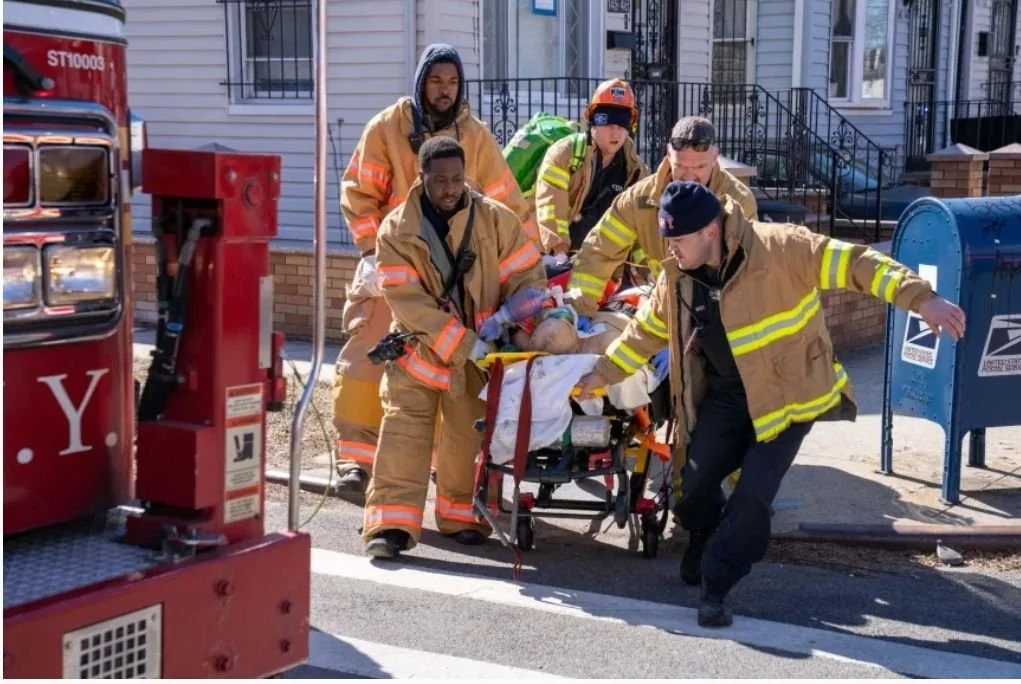
It’s simple... CPR saves lives.
As a first-line response that can help save someone’s life in an emergency, Cardiopulmonary Resuscitation (CPR) aims to keep oxygen moving to vital organs, especially the brain, until the heart can beat on its own again.
When someone is suffering a sudden cardiac arrest, CPR before professional help arrives gives the best chance of survival. By some estimates, performing CPR immediately can double or triple the chance of survival from a sudden cardiac arrest that occurs outside of a hospital. A patient's chances of recovery, and avoiding brain death, rely on immediate CPR—this makes understanding the fundamentals of CPR the difference between life and death.
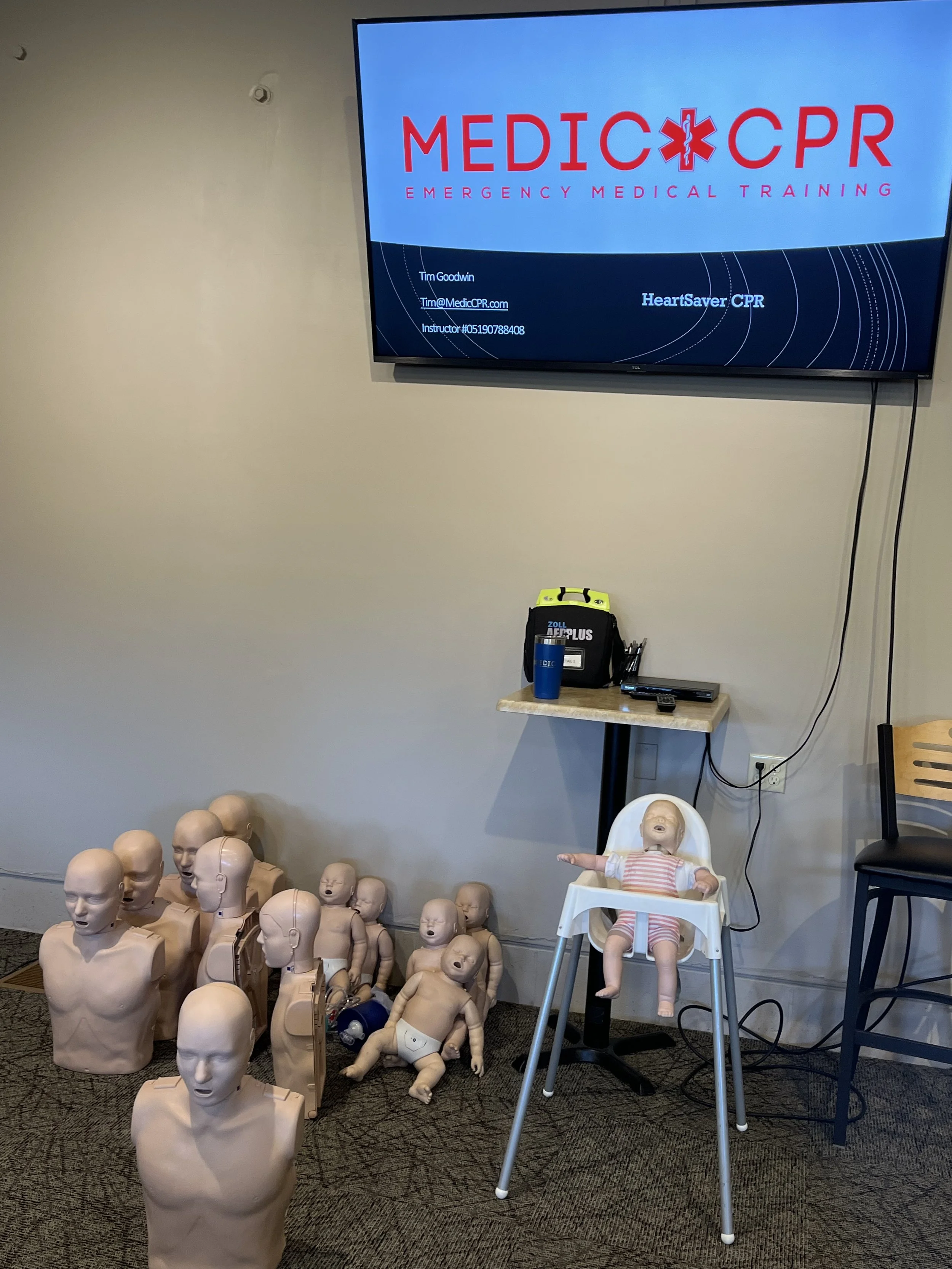
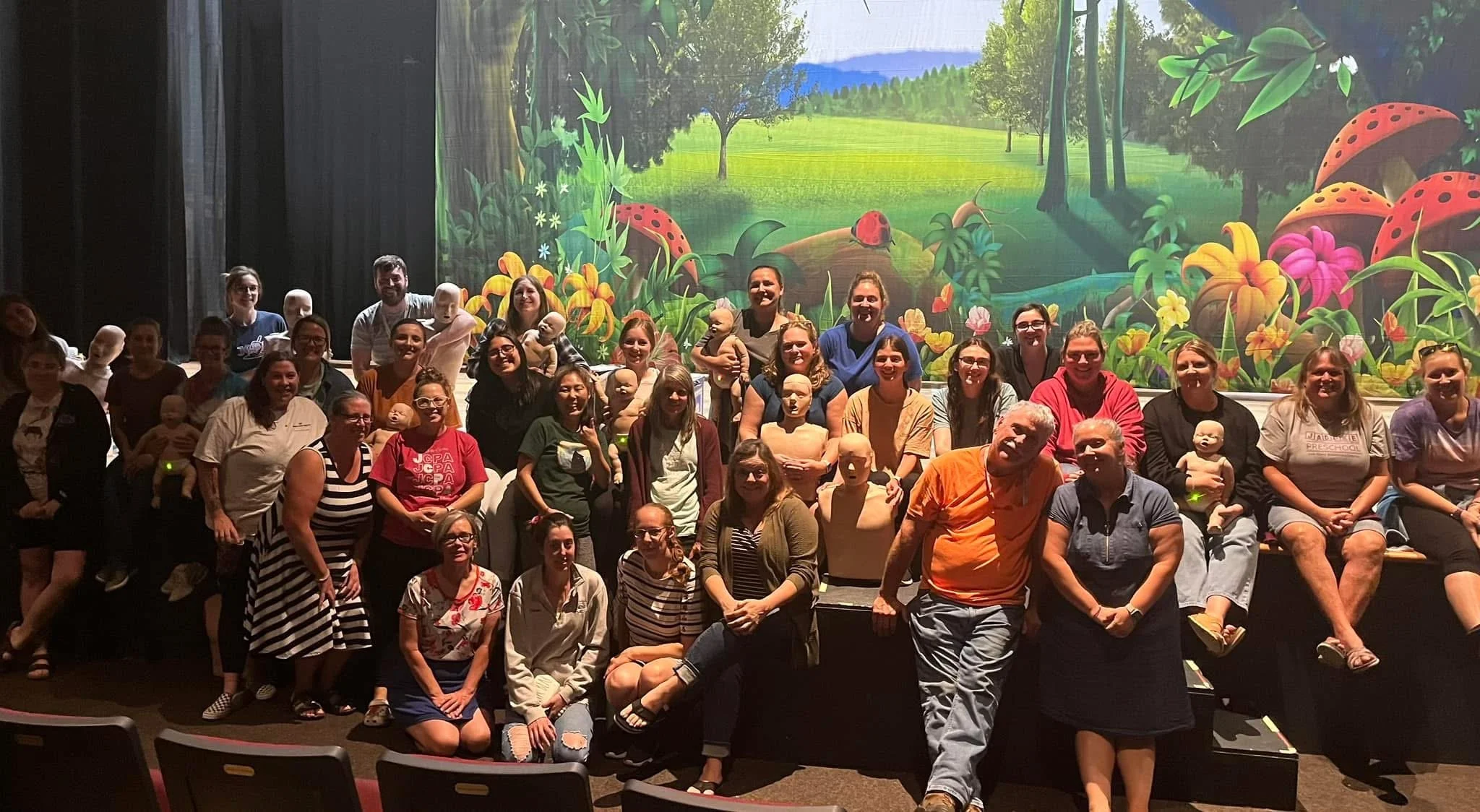
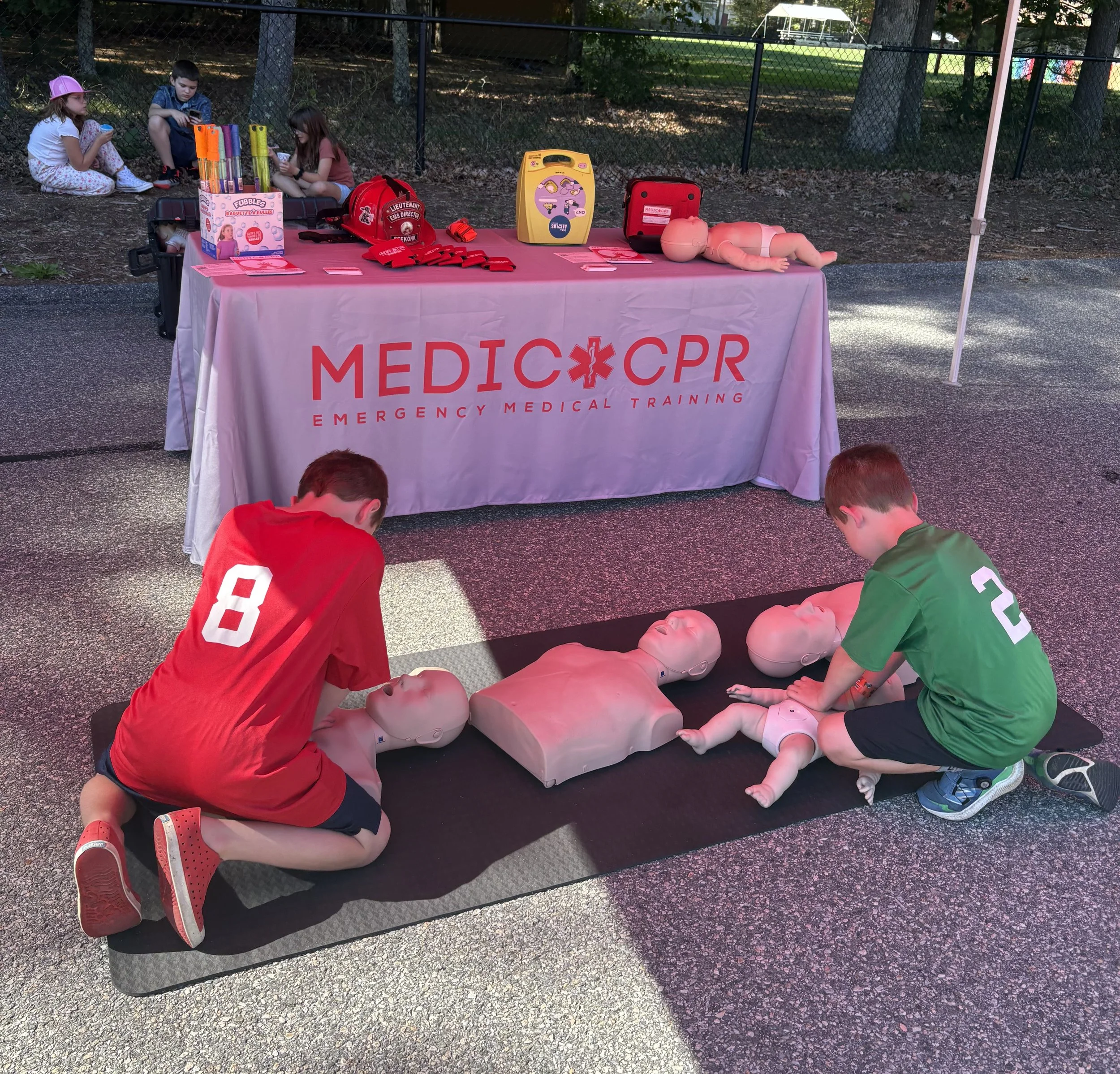
Medic CPR and Emergency Medical Training makes it our mission to improve survivability in sudden cardiac arrest through community education and training.
Our Services
Basic Life Support (BLS) for healthcare professionals trains participants to promptly recognize several life-threatening emergencies, give high-quality CPR, deliver appropriate ventilations and provide early use of an AED.
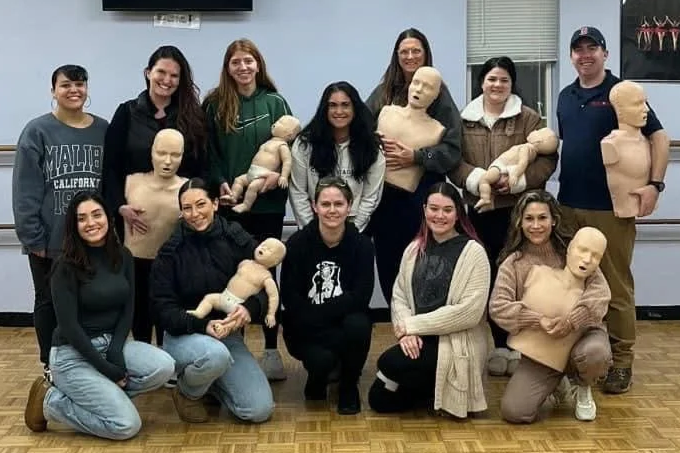
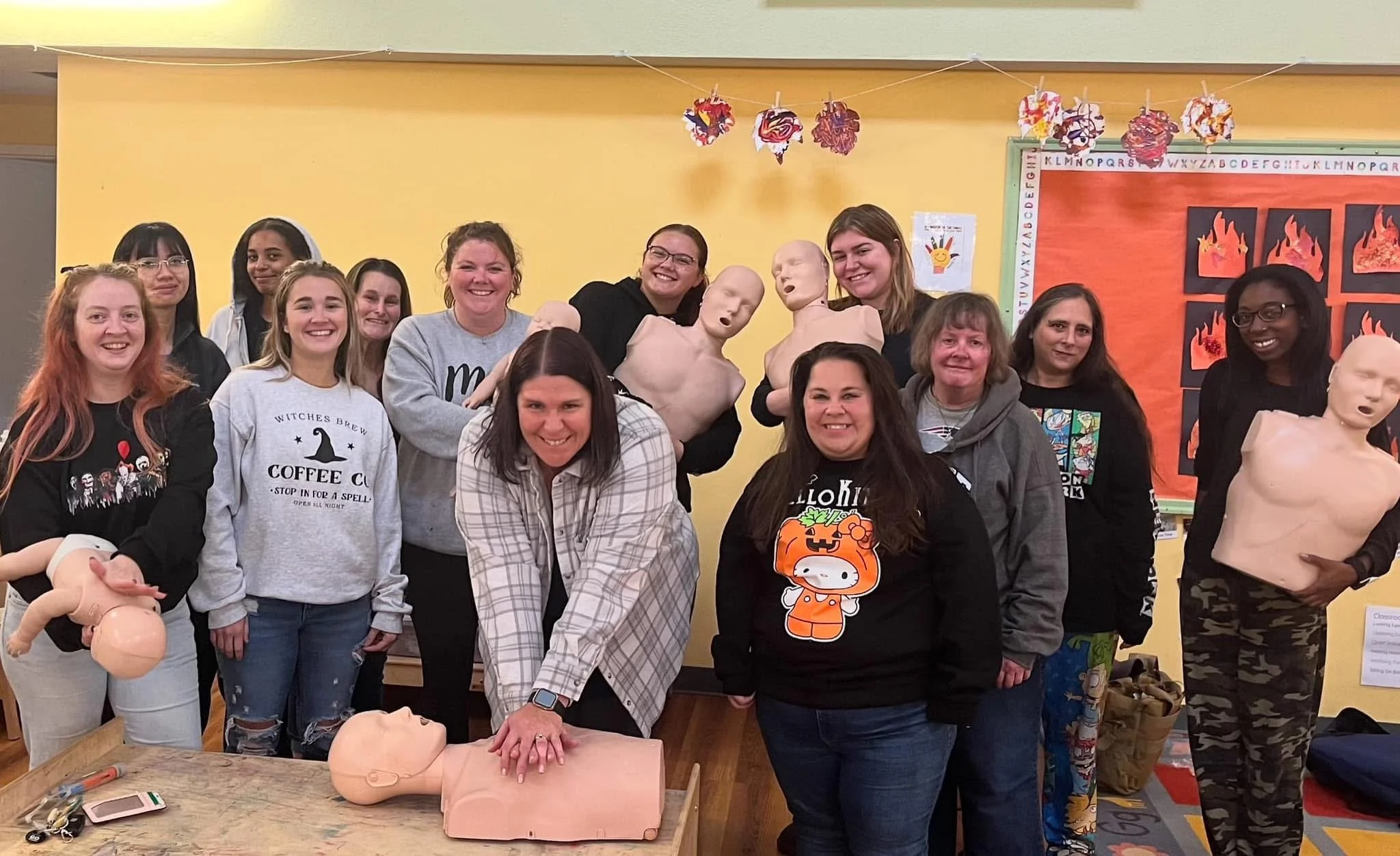
Heartsaver First Aid CPR AED trains anyone with little or no medical training to provide first aid, CPR, and use an automated external defibrillator (AED) in a safe, timely, and effective manner.
ACLS is an advanced course that builds on the foundation of lifesaving BLS skills, emphasizing the importance of continuous, high-quality CPR, and high-performance team dynamics.

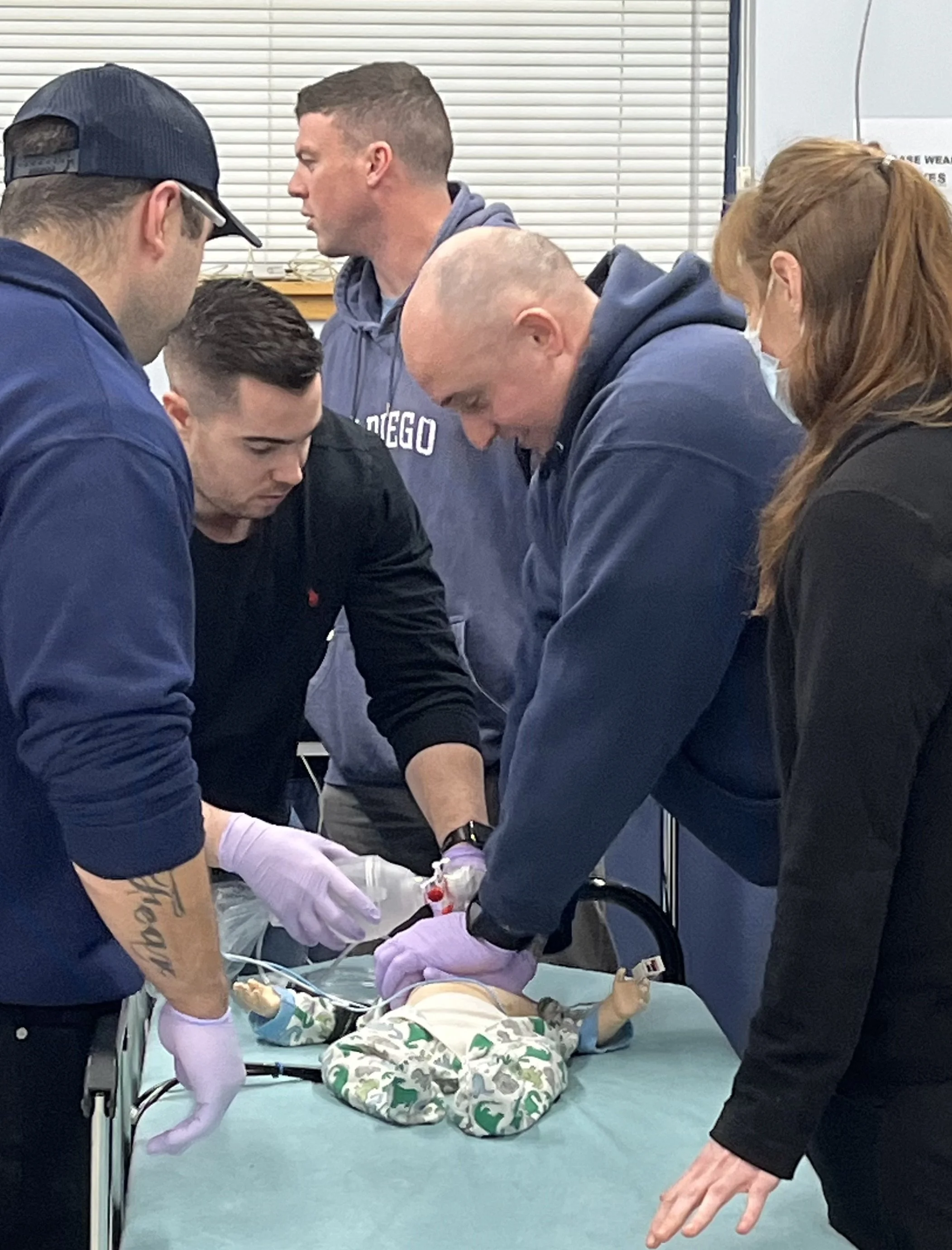
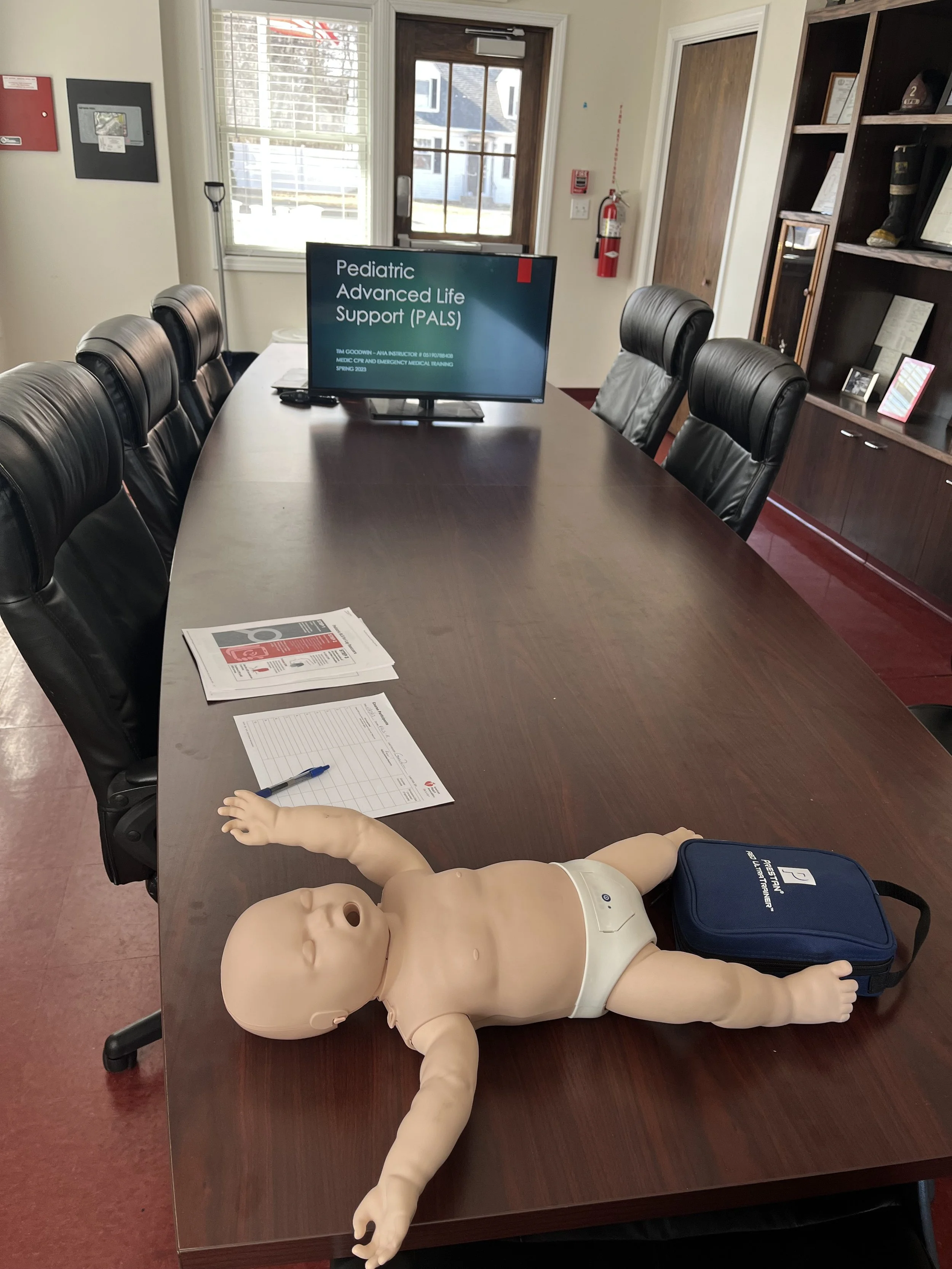
Pediatric Advanced Life Support (PALS) reinforces the important concepts of a systematic approach to pediatric assessment, basic life support, PALS treatment algorithms, effective resuscitation, and team dynamics.
Stop the Bleed is a national awareness campaign and training program, initiated by the U.S. Department of Homeland Security and led by the American College of Surgeons, that teaches bystanders how to control life-threatening bleeding in emergencies until professional help arrives, using techniques like applying direct pressure, packing wounds, and using tourniquets to prevent preventable deaths from severe blood loss. It empowers ordinary people with simple skills to act as "immediate responders" in mass casualty events, accidents, or violence, recognizing that bystanders are often the first on the scene.
The Civilian Response to Active Shooter Events (CRASE) course is a training program that provides civilians with strategies and a plan for surviving an active shooter or active threat situation. The training is built on the simple, easy-to-remember Avoid, Deny, Defend (ADD) strategy developed by the ALERRT Center at Texas State University.